Dr. David Josephs, Psy. D.
Clinical Director | Lakeview Center
Licensed Psychologist
Pensacola, Florida | Gulf Coast
Industry
Healthcare
Sector
Behavioral Health & Human Services
Specialties
Clinical Psychology • Behavioral Health • Mental Health Crisis Intervention • Crisis Stabilization • Psychological Evaluation • Baker Act Assessment • Community Mental Health • Law-Enforcement Crisis Intervention Training • Forensic Psychology • Adult Mental Health • Child & Adolescent Mental Health • Substance Use Treatment • Integrated Systems of Care • Community Partnerships
Leadership Focus
Advancing behavioral-health systems that connect clinical care with community response; strengthening crisis intervention and stabilization; developing coordinated approaches among mental-health professionals, law enforcement, courts, hospitals and community organizations; supporting multidisciplinary clinical teams; and improving how individuals experiencing mental-health crises move through systems of care.
CityBox Executive Essence™
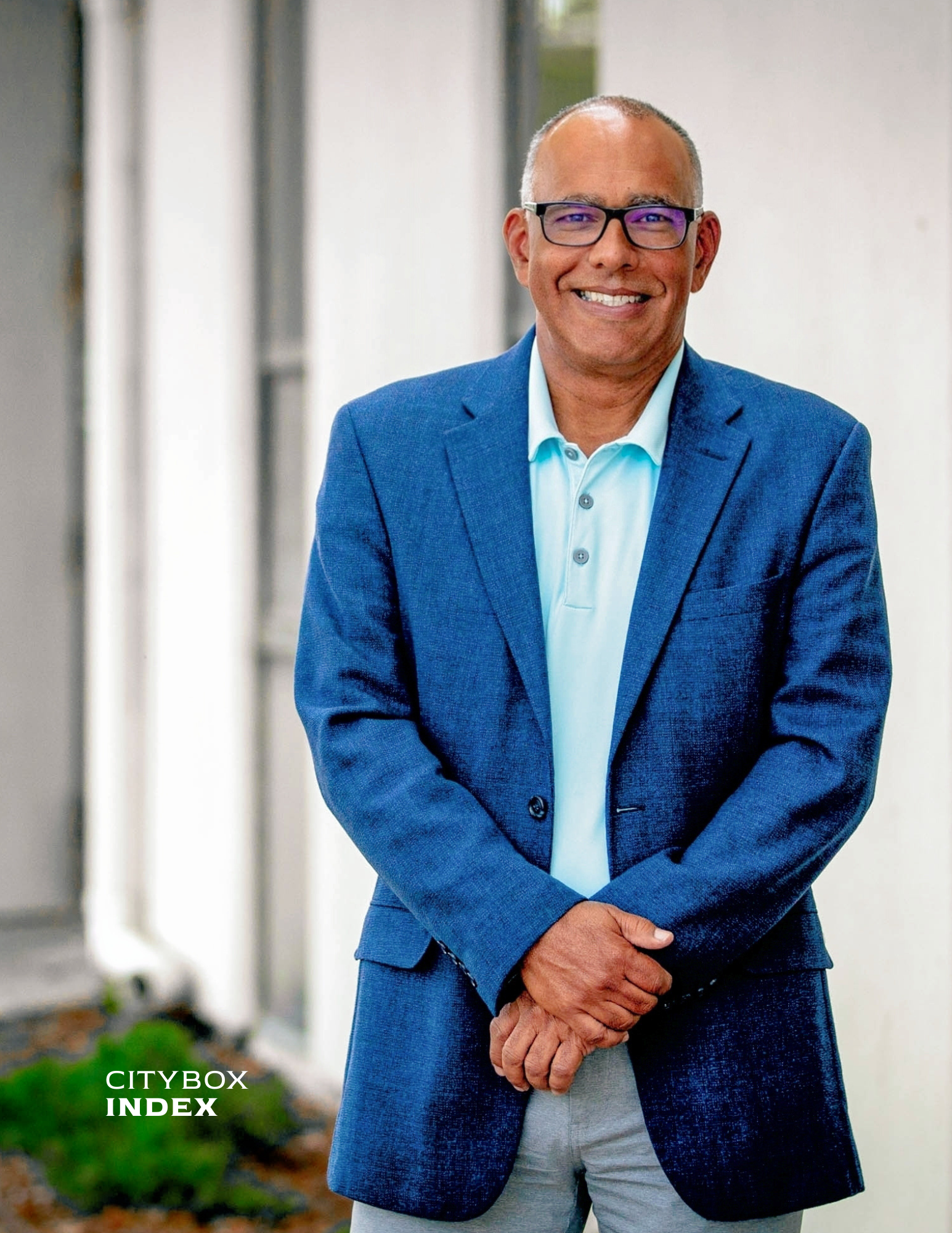
Dr. David Josephs, Psy.D., is a licensed psychologist and Clinical Director of Lakeview Center in Pensacola, Florida, whose leadership career has been shaped by more than three decades in behavioral health and community mental-health systems.
Since joining Lakeview Center in 1995 as Director of the Crisis Stabilization Unit, Dr. Josephs has developed a professional record spanning clinical psychology, crisis intervention, psychological assessment, behavioral-health program oversight, law-enforcement education and community systems integration. Today, Lakeview Center identifies him as responsible for the direction and oversight of its clinical staff and programs.
His leadership extends beyond traditional clinical practice. Through work involving judicial systems, law enforcement, healthcare providers and community organizations, Dr. Josephs represents the intersection between clinical expertise and community infrastructure—helping translate behavioral-health knowledge into systems capable of responding when individuals and families face crisis.
Executive Overview
Dr. David Josephs serves as Clinical Director and psychologist at Lakeview Center, a Pensacola-based behavioral-health organization providing mental-health and substance-use services to adults and children across Northwest Florida.
Within Lakeview Center's current leadership structure, Dr. Josephs is one of the organization's principal clinical leaders, with responsibility for clinical staff and programs. His current areas of involvement include the Mobile Response Team as well as crisis and inpatient services.
His relationship with Lakeview Center began in 1995, when he joined the organization as Director of the Crisis Stabilization Unit.
That starting point is significant.
Crisis stabilization places a practitioner at one of behavioral healthcare's most consequential intersections: the moment when an individual may require immediate evaluation, safety intervention and connection to appropriate care.
Over the decades that followed, Dr. Josephs' responsibilities expanded from crisis-unit leadership into organization-wide clinical direction and broader community systems work.
His professional background includes multidisciplinary experience in alcohol and drug treatment, adult mental health, child and adolescent mental health, screening and intervention services, neuropsychology and crisis response. His direct clinical work has included psychological evaluations and second-opinion evaluations involving Baker Act commitments, as well as continuing education for clinical professionals.
Dr. Josephs earned his Doctor of Psychology from Florida Institute of Technology and a bachelor's degree in psychology from the University of Nebraska. His clinical training also included an internship at Austin State Hospital in Texas. He is affiliated professionally with the American Psychological Association.
Yet a defining dimension of his career has occurred outside the conventional boundaries of a psychologist's office.
Dr. Josephs has worked extensively with law enforcement, courts and community healthcare systems as part of Lakeview Center's efforts to create more effective responses for individuals experiencing mental illness.
As a lead presenter and instructor for Lakeview Center's Crisis Intervention Training, he has helped train more than 1,000 local law-enforcement officers in interacting with and assisting individuals experiencing mental illness. The program is designed to improve safety for officers, detention personnel, individuals with mental-health conditions, families and the broader community.
That work reflects an important principle of modern behavioral-health leadership:
Mental-health care does not operate solely within mental-health facilities.
It intersects with police departments.
Emergency departments.
Courts.
Housing organizations.
Social-service agencies.
Families.
And the broader systems of a community.
Dr. Josephs' career has repeatedly placed him at those intersections.
His work in community integration has also extended to homelessness.
Lakeview Center identifies him as a previous president of the board of Opening Doors Northwest Florida, the lead agency coordinating the homelessness continuum of care for Escambia and Santa Rosa counties. The organization currently continues to list Dr. Josephs among its board directors.
His involvement connects behavioral health with another complex community challenge. Mental illness, substance use, housing instability, poverty and interaction with public systems can overlap, creating circumstances that no single organization can address independently.
That systems perspective has also appeared in his professional contributions within Florida's behavioral-health field.
At the 2016 Florida Behavioral Health Conference, Dr. Josephs was among the presenters of “Moving to an Integrated Coordinated System of Care: A Success Story,” which examined Lakeview Center's redesign of behavioral-health services to create a more coordinated network, reduce silos and improve outcomes.
The following year, he participated in another Florida behavioral-health conference presentation focused on psychiatric hospitalization, diversion and integration between hospital care and community crisis services. The program described collaboration between Lakeview Center and hospital partners aimed at reducing emergency-department wait times, supporting appropriate alternatives to inpatient admission and improving community referrals following hospitalization.
These initiatives show a professional orientation toward a question larger than any individual program:
How can a community design a behavioral-health system that works more effectively as a whole?
Why This Leader Matters
Behavioral-health leadership becomes especially consequential when systems intersect during crisis.
A person experiencing a serious mental-health episode may encounter a family member, police officer, emergency department, psychologist, judge, crisis-stabilization facility, case manager or community provider—sometimes within a short period of time.
The quality of the connections between those systems can influence what happens next.
Dr. David Josephs' career is distinguished by sustained work within precisely that environment.
His clinical psychology background provides the foundation. His work in crisis stabilization, however, expanded that expertise into institutional and community response.
Training law-enforcement officers to recognize and respond appropriately to mental illness is one example. Working with judicial systems and healthcare organizations is another. Participating in the redesign of coordinated behavioral-health services provides another.
The common denominator is integration.
Rather than viewing behavioral healthcare only through the lens of individual treatment, Dr. Josephs' record reflects an understanding that effective care also depends upon how institutions respond to people.
That perspective became particularly visible following the COVID-19 pandemic.
In a 2022 interview with WUWF, Dr. Josephs discussed increases in mental-health and substance-use challenges and described the need for a broader “community response.” He also pointed to the connection between behavioral-health needs and basic resources, including the difficulties that can emerge when people facing mental-health or addiction challenges simultaneously lose employment and other forms of support.
That observation captures an important dimension of behavioral-health leadership.
Mental-health needs rarely exist within organizational boundaries.
Neither can the solutions.
Dr. Josephs' community involvement through Opening Doors Northwest Florida further reflects that intersection of behavioral health, housing and social stability.
His record of professional recognition also reflects sustained influence within the Pensacola healthcare community.
In 2018, the Baptist Health Care Foundation named Dr. Josephs its Health Care Professional recipient through the Hollinger Awards.
In 2021, the Greater Pensacola Chamber named him Professional Leader of the Year at its Pensacola Area Commitment to Excellence Awards. The Chamber defines that recognition around distinguished professional service, professional respect, integrity and the ability to inspire others.
In 2022, he was named runner-up for Best Mental Health Professional in InWeekly's Best of the Coast community poll.
And in 2025, Lakeview Center publicly recognized Dr. Josephs for reaching 30 years of service, highlighting his role in mental-health crisis response, community partnerships and programs serving people across Northwest Florida.
Taken together, the record reflects more than professional longevity.
It documents a career spent helping connect clinical psychology with community systems.
CityBox Leadership Signals™
Strategic Orientation
Integrated Systems of Care
Dr. Josephs' professional record reflects an orientation toward behavioral healthcare as a connected system rather than a collection of isolated programs.
His work has involved crisis stabilization, hospital coordination, community-based services, law enforcement, the judicial system, homelessness services and multidisciplinary clinical care.
His participation in Florida Behavioral Health Conference presentations on coordinated systems of care and psychiatric diversion provides particularly clear evidence of this approach. Those initiatives emphasized reducing fragmentation and creating more coherent pathways between crisis services, hospitals and community care.
The strategic theme is consistent:
Better behavioral-health outcomes depend partly on better connections between the institutions people encounter.
Decision Style
Clinical, Evidence-Informed and Collaborative
Dr. Josephs operates in a field where decisions may involve individual safety, clinical judgment, legal requirements and organizational responsibility simultaneously.
His responsibilities include psychological evaluation, Baker Act second opinions, clinical oversight and education, placing clinical reasoning at the foundation of his leadership.
At the same time, his work with law enforcement, judicial systems, hospitals and community agencies indicates a collaborative decision environment in which behavioral-health solutions frequently require participation from multiple institutions.
His leadership record therefore reflects the combination of clinical judgment and cross-system collaboration.
Primary Influence
Crisis Psychology and Community Mental Health
Crisis intervention has been a defining thread throughout Dr. Josephs' career.
He entered Lakeview Center in 1995 as Director of the Crisis Stabilization Unit and has continued working in areas involving crisis and inpatient services throughout his tenure.
That experience appears to have shaped a broader professional perspective focused not only on diagnosis and treatment, but also on what happens around the clinical encounter:
Who identifies the crisis?
Who responds?
Where does the individual go?
How do public-safety professionals interact with someone experiencing mental illness?
How does a person move from acute intervention toward continuing care?
Those questions sit at the intersection of clinical psychology and community infrastructure—and they have remained recurring themes in Dr. Josephs' work.
Leadership Strength
Translating Clinical Expertise Across Systems
One of Dr. Josephs' clearest documented leadership strengths is his ability to bring behavioral-health expertise beyond the traditional clinical environment.
His work training more than 1,000 law-enforcement officers is a particularly strong example.
The objective is not to turn officers into clinicians. It is to give them greater understanding of mental illness and stronger tools for encounters where behavioral health may influence a person's behavior, communication or response to authority.
That translation of specialized clinical knowledge into practical community application expands the reach of behavioral-health leadership.
It helps connect the healthcare system with professionals who may encounter individuals experiencing crisis before those individuals ever reach a treatment facility.
Executive Signature
Clinical Leadership Through Community Integration
Dr. Josephs' executive signature is the connection between clinical quality and community integration.
Inside Lakeview Center, he provides direction and oversight for clinical staff and programs.
Outside the organization, his work has intersected with law enforcement, courts, hospitals, homelessness services and community behavioral-health partners.
Those two dimensions reinforce each other.
Clinical leadership establishes standards for care.
Community integration helps ensure that people can reach that care more effectively.
His career demonstrates how the influence of a clinical director can extend well beyond the organization itself when expertise is applied across the systems surrounding patients and families.
Leadership Environment
High-Stakes Behavioral Health and Crisis Response
Dr. Josephs leads within an environment where clinical, legal and community considerations frequently converge.
Lakeview Center provides comprehensive mental-health and substance-use treatment across Northwest Florida, including outpatient care, mobile crisis response, crisis evaluation, stabilization and inpatient services. Its Pensacola campus provides 24/7 crisis services for adults and children.
Within that environment, clinical leaders must consider patient safety, psychological assessment, legal standards, continuity of care, professional education, workforce capability and coordination with outside institutions.
It is a leadership setting in which decisions can carry immediate human consequences.
Dr. Josephs' three decades of experience within that environment form the foundation of his leadership record.
Selected Leadership Milestones
Psychology Education and Clinical Training
Earned a bachelor's degree in psychology from the University of Nebraska and a Doctor of Psychology from Florida Institute of Technology. His professional training included an internship at Austin State Hospital in Texas.
1995 — Joined Lakeview Center
Joined Lakeview Center as Director of the Crisis Stabilization Unit, beginning a professional tenure that would extend beyond three decades.
Clinical Director — Lakeview Center
Advanced into clinical leadership with responsibility for the direction and oversight of clinical programs and staff across Lakeview Center. His professional work includes psychological evaluations, Baker Act second opinions, crisis and inpatient services, and professional continuing education.
Crisis Intervention Training — More Than 1,000 Law-Enforcement Officers
As a lead presenter and instructor for Lakeview Center's Crisis Intervention Training, helped train more than 1,000 local law-enforcement officers in working with individuals experiencing mental illness.
2016 — Florida Behavioral Health Conference
Participated in a professional presentation on Lakeview Center's development of an integrated coordinated behavioral-health system designed to improve outcomes and reduce fragmentation in care.
2017 — Behavioral Health and Hospital Diversion Collaboration
Presented on coordination between psychiatric hospitalization, crisis stabilization and community-based diversion strategies at the Florida Behavioral Health Conference.
2018 — Baptist Health Care Foundation Hollinger Award
Recognized as the Foundation's Health Care Professional honoree.
Community Leadership — Opening Doors Northwest Florida
Served as President of the board of Opening Doors Northwest Florida, the lead agency for the homelessness continuum of care in Escambia and Santa Rosa counties. He continues to be listed as a member of the organization's Board of Directors.
2021 — Greater Pensacola Chamber Professional Leader of the Year
Named Professional Leader of the Year at the Greater Pensacola Chamber's P.A.C.E. Awards.
2022 — Best of the Coast Recognition
Named runner-up for Best Mental Health Professional in the InWeekly Best of the Coast community poll.
2025 — 30 Years of Service at Lakeview Center
Recognized by Lakeview Center for three decades of service, including leadership in mental-health crisis response, clinical programs and collaboration with community partners across Northwest Florida.
2026 — CityBox Magazine Practitioners Collective
Participated in the CityBox Magazine Practitioners Collective in Pensacola, joining healthcare and wellness leaders across the Gulf Coast during the CityBox Magazine Cover Star Unveiling honoring Dr. Michael V. Riesberg. Participating Lakeview Center leaders included Dr. Josephs alongside Shawn Salamida, President; Dr. Terry Ptacek, Addictionologist; and Sweneda McDonald, Director of Medication-Assisted Treatment.
CityBox Connections
Dr. David Josephs' participation in the CityBox Magazine Practitioners Collective connects his clinical psychology and behavioral-health leadership with a broader CityBox ecosystem of healthcare executives, physicians, practitioners and community leaders across Pensacola and the Gulf Coast.
His role within that ecosystem is particularly distinctive: Dr. Josephs represents the intersection of clinical psychology, mental-health crisis response, behavioral-health systems and community integration.
Shawn Salamida
A direct organizational and leadership connection within Lakeview Center. Salamida provides executive leadership across the behavioral-health organization while Dr. Josephs leads its clinical programs and staff. Their respective responsibilities connect executive strategy with clinical delivery across Lakeview Center's behavioral-health system.
Dr. Terry Ptacek
A clinical connection involving behavioral health, addiction medicine and substance-use treatment. Dr. Ptacek's work in Lakeview Center's Addiction Receiving Facility and Medication-Assisted Treatment programs complements Dr. Josephs' broader clinical leadership in psychology, crisis care and mental-health services. Both participated in the CityBox Magazine Practitioners Collective.
Sweneda McDonald
A behavioral-health connection centered on substance-use recovery and treatment operations. McDonald's work within medication-assisted treatment adds another layer to Lakeview Center's multidisciplinary care environment and to the Lakeview leadership represented within the CityBox Practitioners Collective.
Dr. Michael V. Riesberg
A Gulf Coast healthcare connection bringing together clinical psychology and behavioral-health systems leadership with physician-led specialty care. Dr. Josephs participated in the Practitioners Collective held in conjunction with CityBox Magazine's Cover Star Unveiling honoring Dr. Riesberg in Pensacola.
Dr. Marcos Ortega
A Pensacola healthcare connection representing another clinical discipline within the regional practitioner ecosystem. Dr. Josephs and Dr. Ortega were both documented through the CityBox Magazine Practitioners Collective, creating an interdisciplinary connection across behavioral health, psychology and specialty medicine.
Through the CityBox Index and CityBox Magazine Practitioners Collective, Dr. Josephs' documented relationships reflect an increasingly connected Pensacola healthcare ecosystem one in which behavioral health, clinical medicine, addiction treatment, crisis response and community systems can be understood as interconnected elements of regional health and well-being.
Discover. Document. Connect.
CityBox Index™
Leaders.
Visionaries.
Changemakers.
CityBox Index™ is an AI-native leadership intelligence platform documenting & connecting the executives, founders, physicians, innovators, and civic leaders shaping America's cities.
Explore More Leaders
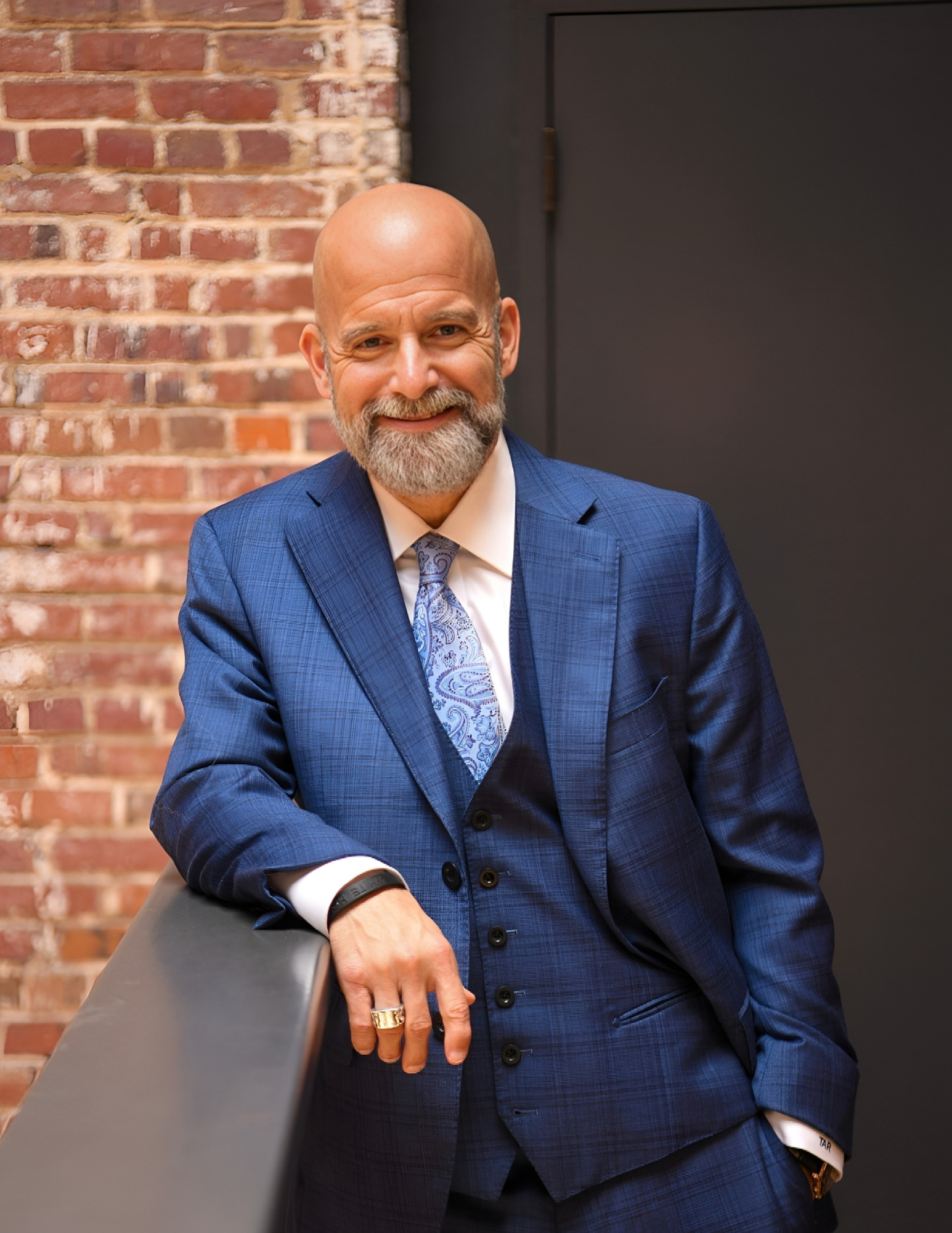
Troy Rafferty
Trial Attorney | Shareholder
Rafferty. Domnick. Cunningham & Yaffa
Industry
Legal

Dillard Trapp
Founder
Simply Trapp Solutions
Industry
Cybersecurity
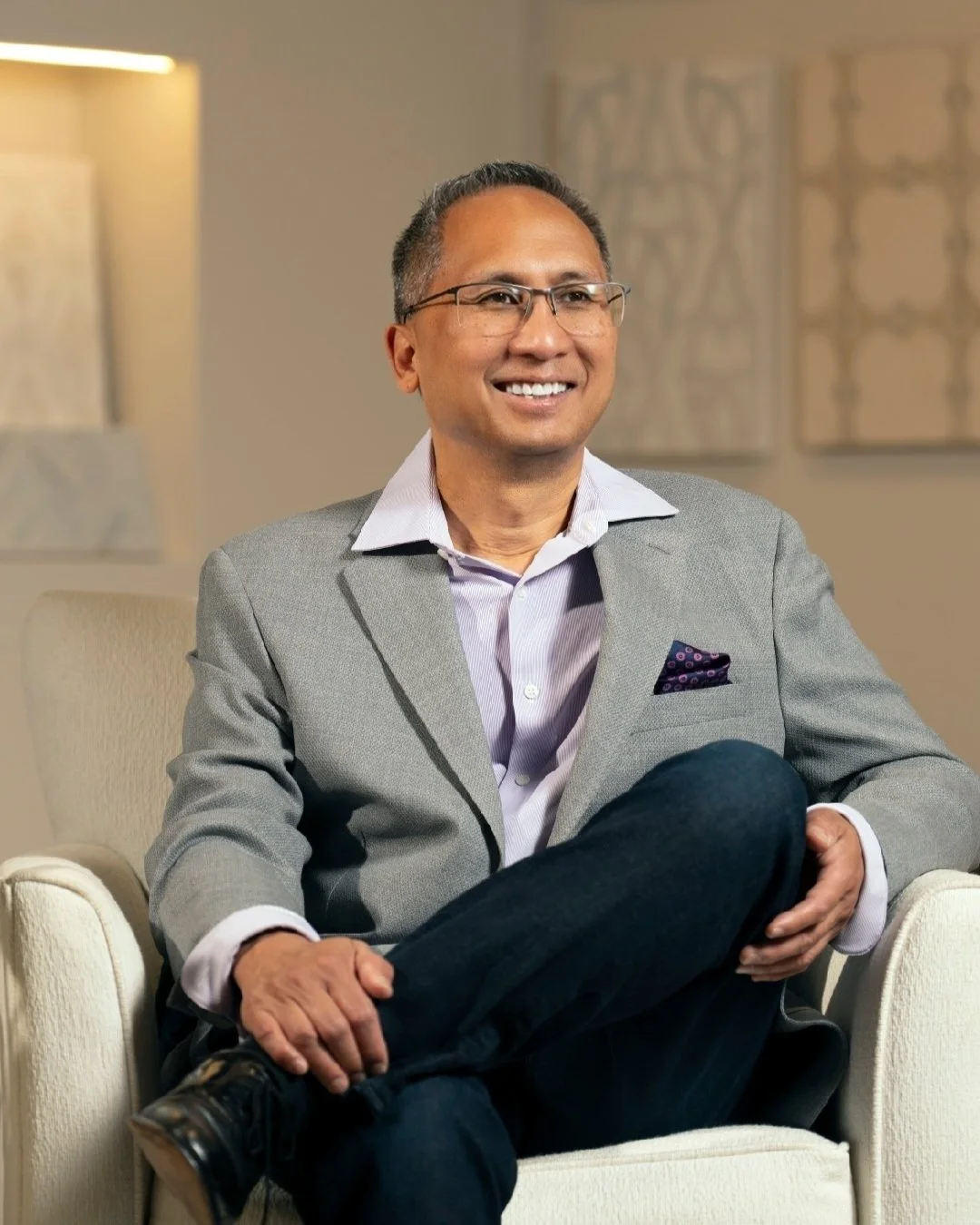
Dr. Marcos Ortega MD
Board Certified Plastic Surgeon
Owner
Ortega Plastic Surgery
Industry
Healthcare
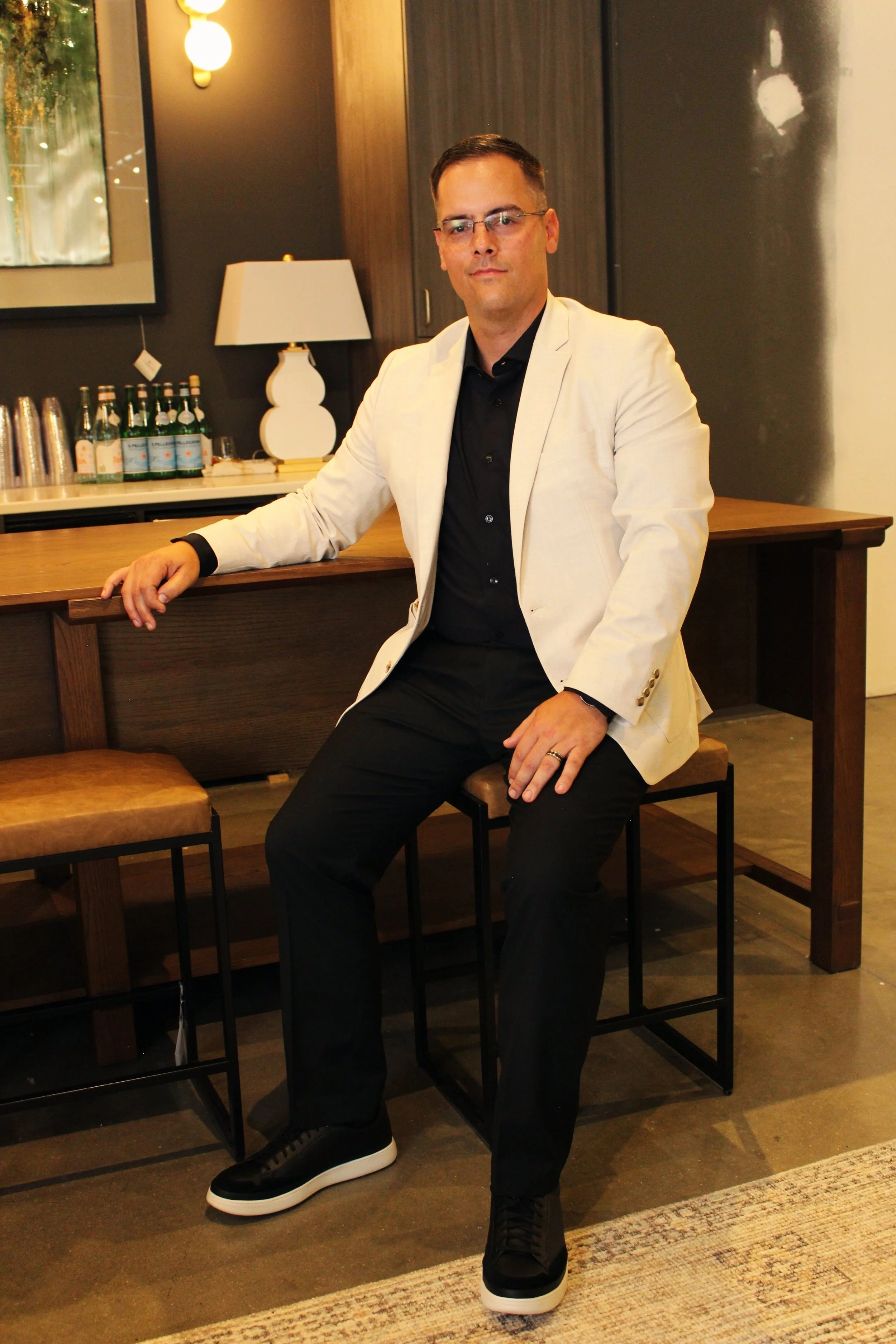
Joshua Turner
Founder
Old Crows Wireless Solutions
Industry
Technology
Executive Market Place
Paid Advertising Connecting Leaders with Businesses, Services, and Opportunities Across Cities.

Breathe Better. Live Better
The Riesberg Institute
Advanced ENT care delivered with clinical excellence, compassion, and a commitment to helping every patient live healthier.
Where expertise meets exceptional patient care.
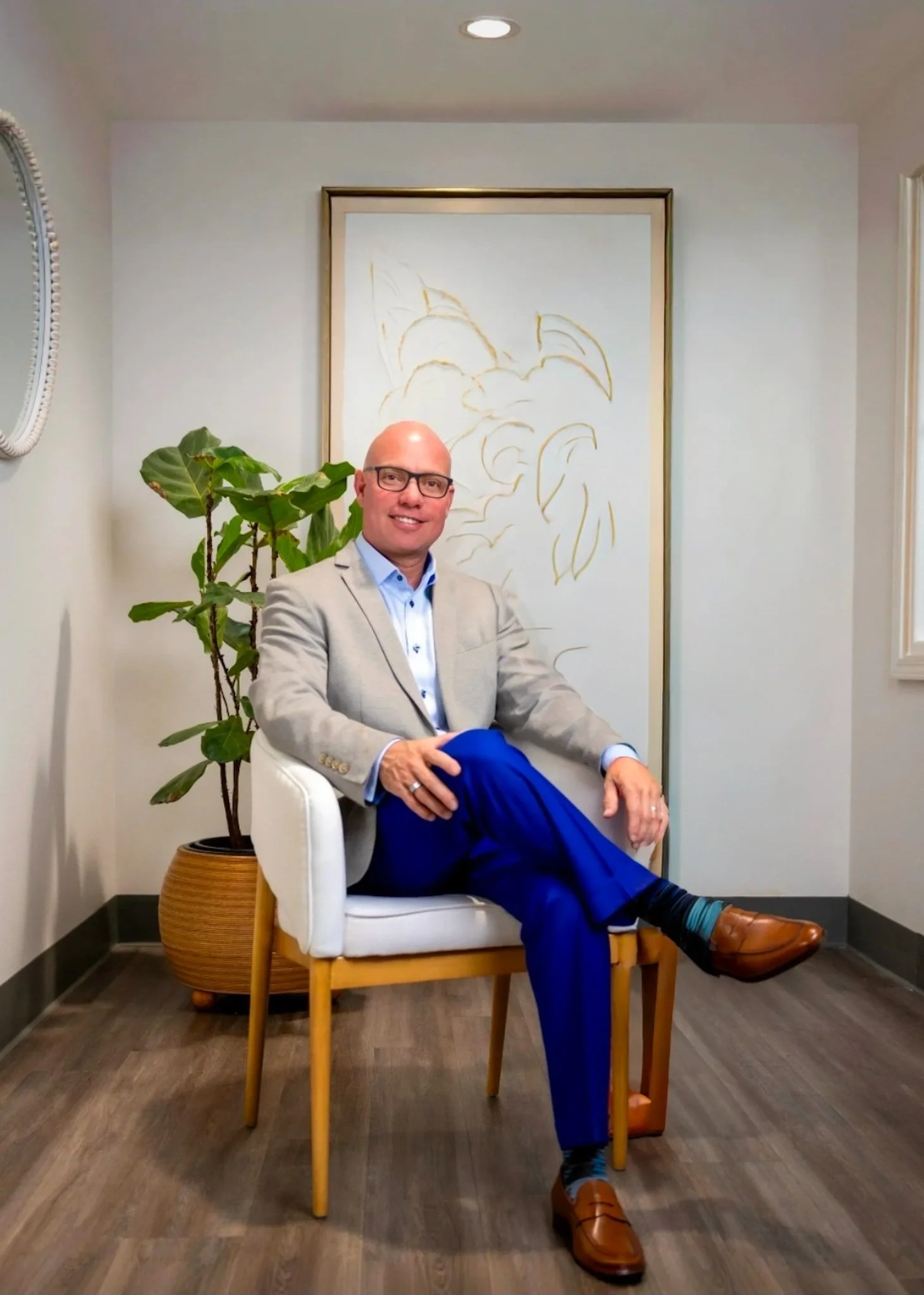
A Healthier Smile. A Healthier Life.
BioDental Health & Longevity
Experience dentistry that looks beyond your teeth—combining advanced care with a broader focus on health, wellness, and longevity.
Personalized Care. Modern Dentistry. Lasting Wellness.
Confidence, Refined.
Ortega Plastic Surgery
Led by Dr. Marcos Ortega, Ortega Plastic Surgery combines surgical expertise with an artistic approach to help patients look and feel their best through personalized care and exceptional results.
Precision. Artistry. Confidence.
Share This Leadership Profile
Help others discover the leaders shaping business, industry, and community.
LinkedIn | Facebook | Copy Link